
In the modern hospitality industry, efficiency, hygiene, and asset tracking are critical for maintaining high service standards. One of the most effective technologies transforming hotel laundry operations is RFID (Radio Frequency Identification). By embedding RFID tags into bed sheets and linens, hotels and industrial laundries can achieve full visibility, reduce losses, and streamline operations.
This article explains how RFID tags are used in hotel bed sheet laundry management, including tag attachment methods, inventory counting, durability in harsh laundry conditions, and handling damaged linens.
What Is RFID in Hotel Laundry Management?
RFID technology uses radio waves to automatically identify and track items. In hotel laundry systems, RFID laundry tags are embedded into bed sheets, pillowcases, and towels. Each tag contains a unique ID, allowing real-time tracking throughout the entire lifecycle-from usage to washing, drying, ironing, and storage.
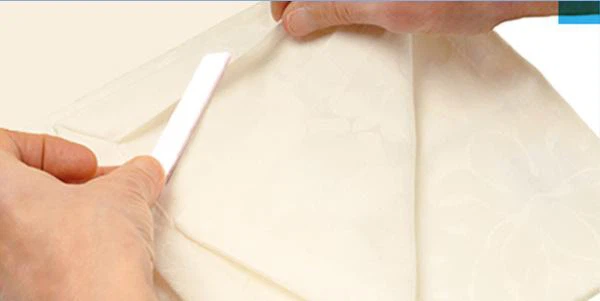
How to Attach RFID Tags to Bed Sheets
Proper attachment is critical to ensure durability and performance. There are several common methods:
1. Sewing RFID Tags into the Hem
The most widely used method
Tags are sewn into the edge or hem of the bed sheet
Provides strong protection and minimal interference with comfort
2. Heat-Sealing (Heat Press)
RFID tags are attached using industrial heat presses
Suitable for flat linen surfaces
Fast and efficient for large-scale production
3. Fabric Pouch Insertion
Tag is inserted into a small fabric pocket stitched onto the linen
Offers extra protection from mechanical stress
Best Practice:
Position the RFID tag in a low-stress area (such as the edge) to avoid damage during washing and ironing.

How RFID Enables Fast and Accurate Bed Sheet Counting
One of the biggest advantages of RFID is bulk scanning without line-of-sight.
Traditional Method Problems:
Manual counting is slow and error-prone
High labor cost
Difficult to track losses
RFID Solution:
1. Bulk Scanning with RFID Readers
Hundreds of bed sheets can be scanned simultaneously
No need to open bags or count individually
2. Fixed RFID Gate Systems
Installed at key points (laundry entry/exit, storage rooms)
Automatically record quantities as linens pass through
3. Handheld RFID Readers
Staff can quickly scan inventory in storage areas
Real-time data synchronization with management systems
Result:
99%+ inventory accuracy
Significant labor savings
Real-time tracking visibility
How RFID Tags Withstand Harsh Laundry Conditions
Hotel laundry environments are extremely demanding, involving:
High temperatures (up to 200°C during ironing)
Repeated washing cycles (200–300+ times)
Exposure to water, detergents, and chemicals
Mechanical pressure and friction
RFID Laundry Tag Design Features:
1. High-Temperature Resistant Materials
Made from PPS, silicone, or specialized textile materials
Resistant to heat, chemicals, and pressure
2. Waterproof and Chemical Resistant
Fully sealed structure prevents water ingress
Resistant to bleach and detergents
3. Flexible and Durable Structure
Designed to withstand bending and squeezing
Maintains performance after hundreds of cycles
4. Long Lifespan
Typically lasts the entire life cycle of the linen
Key Benefit:
RFID tags remain functional even after hundreds of industrial washing cycles, ensuring long-term ROI.
Managing Damaged or Lost Bed Sheets with RFID
Efficient handling of damaged linens is essential for cost control.
1. Lifecycle Tracking
Each RFID tag stores a unique ID linked to:
Purchase date
Number of wash cycles
Usage frequency
This allows hotels to:
Predict end-of-life
Replace linens proactively
2. Identifying Damaged Items
During inspection, staff scan the RFID tag
Mark the item as "damaged" in the system
Automatically removed from active inventory
3. Data-Driven Decisions
Analyze damage rates
Optimize washing processes
Reduce replacement costs
Benefits of RFID in Hotel Laundry Management
Implementing RFID brings significant advantages:
Improved Efficiency: Automated tracking and counting
Reduced Labor Costs: Minimal manual intervention
Accurate Inventory Management: Real-time data
Loss Reduction: Better control over linen usage
Enhanced Hygiene Compliance: Traceable cleaning cycles
Extended Linen Lifespan: Data-driven maintenance
Conclusion
RFID technology is optimizing hotel bed sheet laundry management by providing a smart, automated, and highly efficient solution. From secure tag attachment and fast bulk counting to durability in harsh environments and intelligent lifecycle management, RFID enables hotels and laundries to operate with greater accuracy and lower costs.
As the hospitality industry continues to evolve, adopting RFID is no longer just an option-it is a competitive necessity for delivering high-quality service and operational excellence.