
RFID (Radio Frequency Identification) technology is rapidly transforming the railway industry by enabling real-time tracking, automation, and data-driven decision-making. From asset management to passenger safety, RFID systems are becoming a critical part of modern railway infrastructure.
Railway operators worldwide are adopting RFID solutions to improve operational efficiency, reduce human error, and enhance safety standards. In this article, we will explore how RFID works in railway systems and provide detailed examples of its real-world applications.
Applications of RFID in Railway:
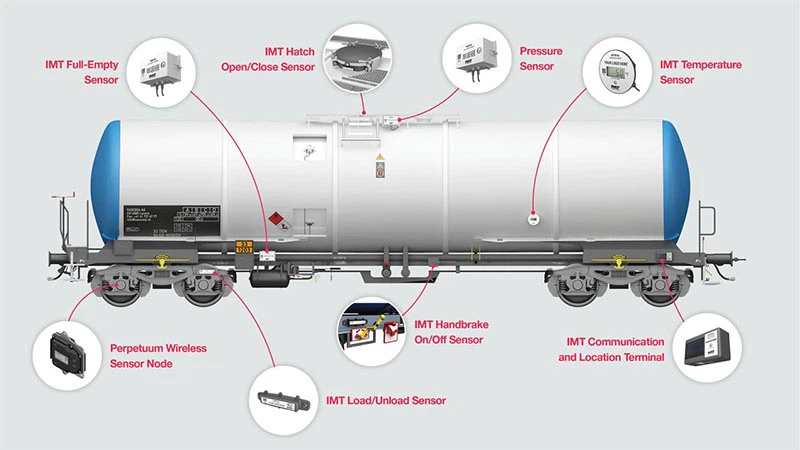
1. Rolling Stock Tracking and Management
One of the most important applications of RFID in railway is tracking rolling stock, including locomotives, passenger coaches, and freight wagons.
How it works:
RFID tags are installed on each wagon or coach
Readers are placed at key points such as stations, depots, and rail yards
Data is automatically collected when trains pass through

A freight operator installs UHF RFID tags on all cargo wagons. As trains move through checkpoints, RFID readers automatically record:
Wagon ID
Timestamp
Location
This allows operators to:
Monitor train composition in real time
Reduce manual inspection errors
Optimize logistics and scheduling
2. Railway Asset Management
Railways involve thousands of critical assets such as tools, signaling equipment, and track components. RFID helps in managing these efficiently.
How it works:
Each asset is tagged with an RFID label
Maintenance teams use handheld readers to scan assets
Data is updated in a centralized system
A railway maintenance team uses RFID to track tools and spare parts. Before starting work, technicians scan tools issued to them. After completing tasks, tools are scanned again upon return.
3. Predictive Maintenance of Tracks and Trains
RFID can be integrated with maintenance systems to enable predictive maintenance, reducing downtime and preventing failures.
How it works:
RFID tags store maintenance history of components
Inspection devices read data during routine checks
Systems analyze data to predict failures
Each wheelset of a train is equipped with an RFID tag storing its maintenance history. During inspections:
Technicians scan the tag
Instantly access service records
Identify components nearing failure
4. Passenger and Ticketing Management
RFID enables contactless ticketing systems, improving passenger convenience and reducing congestion.
How it works:
Passengers use RFID-enabled cards or tickets
Gates automatically scan and validate entry/exit
In metro systems, passengers use RFID smart cards to tap in and out at stations. The system:
Calculates fare automatically
Reduces waiting time
Minimizes ticket fraud

5. Cargo and Freight Monitoring
RFID plays a vital role in rail freight logistics, ensuring cargo visibility throughout the journey.
How it works:
RFID tags are attached to containers or goods
Readers track movement across the network
A logistics company uses RFID to track high-value goods transported by rail. The system provides:
Real-time location updates
Alerts for unauthorized movement
Improved supply chain transparency
The integration of RFID is no longer optional for a high-performance railway; it is the foundation of modern operational excellence. By bridging the gap between physical assets and digital management, it ensures smarter asset utilization and failsafe security. Companies leading this technological adoption will define the standard for future global mobility.