


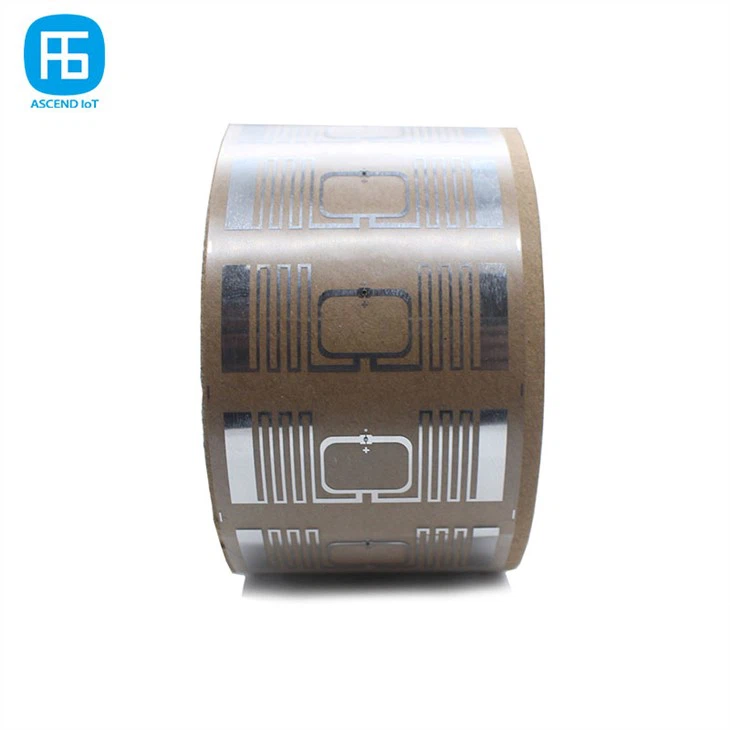
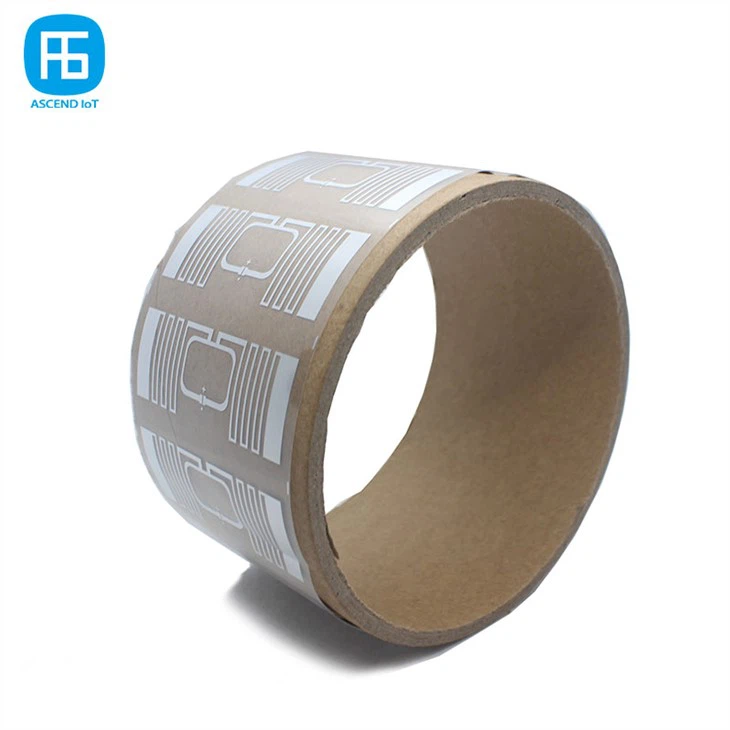
Wet Inlay RFID Tag
Description:
Physical Specifications: | |
Item | ASUHF42X16C |
Material | Coated Paper/PET |
Antenna Dimension | 38*12 mm |
Label Dimension | 42*16 mm |
RFID Specifications: | |
Protocol | EPC global Gen2, ISO/IEC 18000-6c |
Frequency | 860-960 MHz |
Chip | U8/U9 |
EPC | 128/96 bits |
TID | 96 bits |
Reading Range | 2-5 meters |
Data Retention | >10 years |
Write Endurance | 100,000 times |
Application | Retailing Asset tracking Container/Pallet/Carton Box identify and management, etc. |
Environmental Specifications | |
Working Temp | -40℃~+85℃ (-40° to +185°F) |
Storage Temp | -40℃~+85℃ (-40° to +185°F) |
Personal Customization & Packing | |
Customization Content | Logo/Text/Bar code/QR code/ Numbers printable, Data program |
Packing Details | 5000pcs/roll |
What is the difference between wet and dry RFID inlay?
Wet and dry RFID inlays refer to two different manufacturing processes for producing RFID (Radio-Frequency Identification) inlays. The key difference between the two lies in the state of the adhesive material at the time of assembly. Here's an explanation of wet and dry RFID inlays:
Wet RFID Inlay:
- Adhesive Application: In the wet inlay manufacturing process, the adhesive material is applied to the RFID antenna and chip while it is in a liquid or wet state.
- Assembly: The wet adhesive is applied to the antenna or substrate, and the RFID chip is then placed onto the wet adhesive. The components are pressed together to bond them, and the wet adhesive solidifies as it dries. This creates a strong bond between the chip and the antenna.
Dry RFID Inlay:
- Adhesive Application: In the dry inlay manufacturing process, the adhesive material is applied to the RFID antenna and chip while it is in a dry or solid state.
- Assembly: The dry adhesive is pre-applied to either the chip or the antenna substrate. The chip and antenna are then pressed together, and the dry adhesive reactivates with pressure and heat, creating a bond between the two components.

Both wet and dry RFID inlays have their advantages and are suitable for various applications:
Wet Inlays: These inlays are known for their strong adhesive bonds, making them suitable for challenging environments and applications where the tag may be exposed to moisture or extreme conditions. They are commonly used in applications like asset tracking, supply chain management, and retail inventory.
Dry Inlays: Dry inlays are preferred when a thinner, more flexible, and lower-profile tag is required. They are often used for applications like access control, e-passports, and contactless payment cards. The dry inlay process allows for more precise control over the thickness of the inlay.
The choice between wet and dry inlays depends on the specific requirements of the RFID application, including environmental factors, tag thickness, and performance expectations. Both types of inlays are widely used in the RFID industry and play a crucial role in enabling RFID technology in various sectors.
Hot Tags: wet inlay rfid tag, China wet inlay rfid tag suppliers, factory, Wet Inlay Label, Liquid RFID Tag, Printable UHF RFID Tag, RFID Tag for Inventory Management, RFID Paper Sticker, RFID Jewelry Sticker
Send Inquiry
