
RFID (Radio Frequency Identification) payment works by utilizing radio waves to enable contactless transactions between an RFID-enabled device or card and a reader. Here's a breakdown of the process:
- RFID Chip: The payment card or device, such as a smartphone or smartwatch, contains a small RFID chip. This chip is embedded with a unique identifier and other relevant payment information.
- RFID Reader: The merchant or payment terminal is equipped with an RFID reader. The reader has an antenna that emits radio waves and receives signals from nearby RFID chips.
- Near-Field Communication (NFC): RFID payment systems often employ NFC technology, which enables short-range wireless communication between the RFID chip and the reader. NFC allows for secure and fast data exchange.
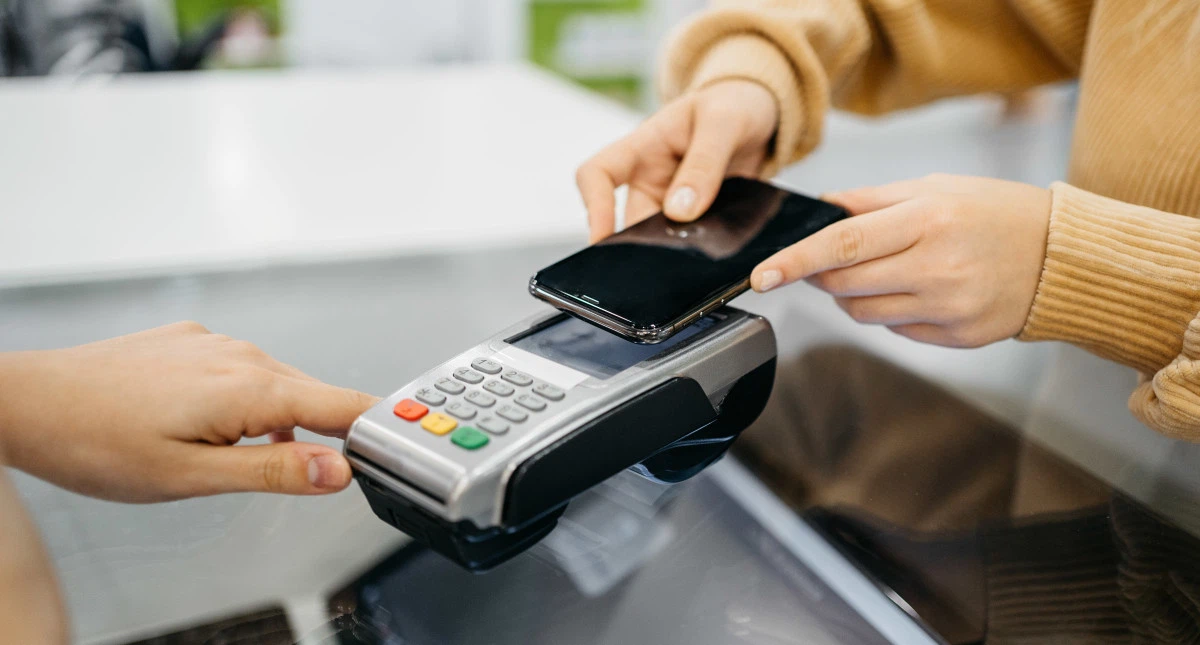
- Tap or Wave: To initiate the payment, the user simply taps or waves their RFID-enabled card or device near the reader. The reader detects the presence of the RFID chip and establishes a connection.
- Data Exchange: Once the connection is established, the reader sends a request for payment information to the RFID chip. The chip responds by transmitting the necessary payment data, which typically includes the card number, expiration date, and a one-time token for security.
- Authorization: The payment terminal transmits the received payment data to the payment network or the card issuer for authorization. The network or issuer verifies the information and checks for available funds.
- Transaction Confirmation: Upon successful authorization, the payment network or issuer sends a confirmation signal to the RFID reader. The reader then displays a payment confirmation message, and the transaction is complete.
Advantages of RFID Payment:
- Convenience: RFID payments offer a quick and effortless payment experience, requiring only a simple tap or wave of the RFID-enabled card or device.
- Speed: The transaction process is significantly faster compared to traditional payment methods, reducing checkout times and improving overall efficiency.
- Contactless and Hygienic: RFID payments eliminate the need for physical contact with payment terminals, promoting a hygienic payment method, particularly important in times of increased focus on health and safety.
- Enhanced Security: RFID payments employ encryption and tokenization techniques to protect sensitive payment information. The use of dynamic tokens enhances security, as each transaction uses a unique code, reducing the risk of fraud or data theft.
- Versatility: RFID technology can be integrated into various devices, including smartphones, smartwatches, key fobs, and cards, offering users flexibility in choosing their preferred payment method.
The RFID payments require compatible RFID-enabled devices, payment terminals, and supporting infrastructure to function seamlessly. As technology continues to evolve, RFID payments are expected to become even more widespread, offering greater convenience and security in our everyday transactions.