
In the fast-paced environment of a surgical suite, ensuring that surgical instruments are tracked and properly sterilized is critical for patient safety. Manual tracking methods can be time-consuming and error-prone, leading to lost or misplaced instruments and potential risk to patients. Fortunately, the use of RFID (Radio Frequency Identification) technology has revolutionized surgical instrument tracking, providing a reliable and efficient solution for managing surgical instrument inventory.
RFID technology works by using a combination of tags and readers to communicate information wirelessly. Each surgical instrument is affixed with a small RFID tag, containing a unique identifier that can be read by a nearby RFID reader. The reader then sends the information to a central database, where it is stored and tracked.
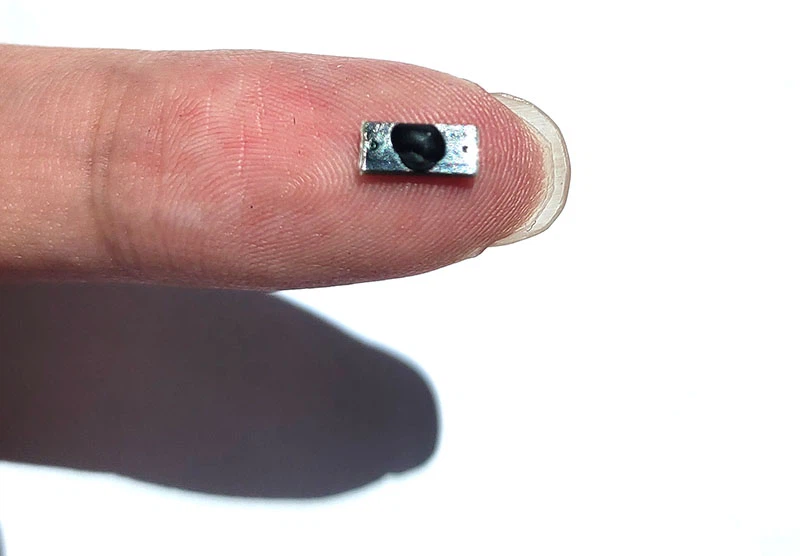
One of the primary benefits of using RFID technology in surgical instrument tracking is the ability to automate the inventory management process. RFID readers can quickly scan multiple instruments at once, without the need for manual data entry. This significantly reduces the risk of human error and saves time for surgical staff.
In addition to inventory management, RFID technology also enables real-time tracking of surgical instruments. This means that staff can quickly locate specific instruments as needed, reducing the time required for surgical procedures and minimizing the risk of delays or cancellations.
RFID technology also plays a critical role in ensuring the safety of surgical instruments. Each tag contains a record of the instrument's sterilization history, allowing staff to quickly identify instruments that need to be sterilized or re-sterilized. This information can also be used to track the lifespan of each instrument, ensuring that they are replaced when necessary to maintain patient safety.

Overall, RFID technology has transformed surgical instrument tracking, providing a reliable, efficient, and safe solution for managing surgical inventory. With its ability to automate inventory management, enable real-time tracking, and ensure the safety of surgical instruments, RFID technology is quickly becoming an indispensable tool in the surgical suite.
As the healthcare industry continues to adopt this technology, the benefits of RFID technology in surgical instrument tracking will only continue to grow. With RFID technology, surgical staff can focus on providing high-quality patient care, while leaving the inventory management and tracking to a reliable and efficient system.
The benefits of RFID in surgical instrument tracking go beyond just patient safety and inventory management. The technology can also provide valuable data for process improvement and cost reduction. By tracking the usage of surgical instruments, hospitals can identify trends and patterns in instrument utilization, enabling them to optimize their inventory and reduce waste.
RFID technology can also help reduce the risk of surgical errors. By ensuring that the correct instruments are used for each procedure, RFID technology helps prevent the potential for mistakes that could lead to complications or adverse events.
In addition, RFID technology can also improve compliance with regulatory requirements. In many countries, healthcare facilities are required to track and report on the usage of surgical instruments. RFID technology provides an efficient and reliable solution for meeting these regulatory requirements, enabling hospitals to focus on delivering high-quality patient care.
The adoption of RFID surgical instrument tracking is already underway in many hospitals around the world. As the technology continues to evolve, we can expect to see even more advanced features and capabilities, such as predictive analytics and machine learning, which could further optimize surgical instrument tracking and management.