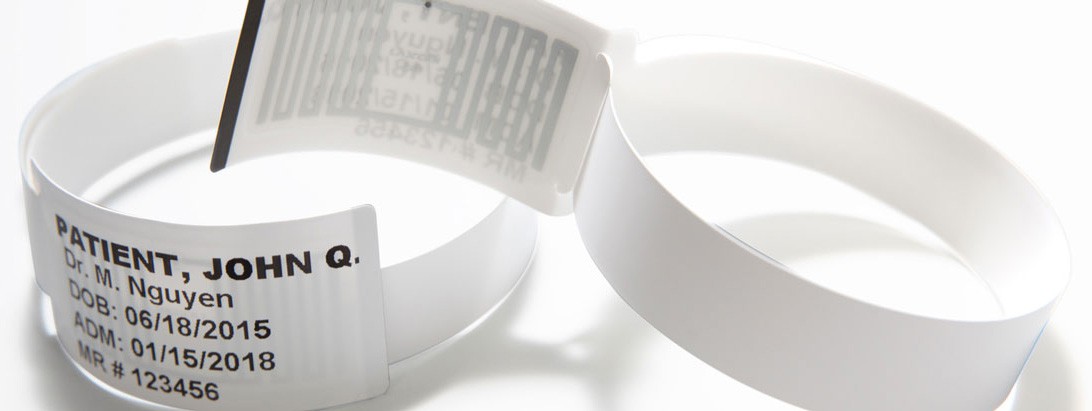
Patients wear wristbands in hospitals for identification purposes. The wristband typically contains important information such as the patient's name, date of birth, and hospital identification number, the most common wristband in the hospital is RFID wristband, which has a RFID chip with a unique ID inside the tyvek wristband.
RFID wristbands serve several purposes, including helping to ensure that patients receive the correct medications, treatments, and procedures. Hospital staff can check the information on the bracelet to ensure that they are providing the right care to the right patient. Additionally, RFID bracelet help hospital staff to easily identify patients and match them with their medical records.
The NFC wristbands are also important for patient safety. In an emergency situation, hospital staff can quickly identify a patient and access their medical history, which can help inform their treatment.
Overall, the RFID wristbands are an important part of hospital protocol for ensuring patient safety and providing accurate care.