
RFID in textile refers to the use of Radio-Frequency Identification (RFID) technology in the textile and apparel industry. RFID is a wireless technology that uses radio waves to identify and track objects, and it has found numerous applications in the textile sector, from manufacturing to retail and beyond. Here are some key aspects of RFID in textiles:
Inventory Management: RFID tags can be embedded or attached to textile products, such as clothing, fabrics, or linens, to track inventory throughout the supply chain. This enables businesses to monitor stock levels, improve accuracy, and reduce losses.
Retail Operations: In retail stores, RFID is used for efficient inventory management and tracking. Retailers can quickly scan RFID-tagged items to check stock levels, reduce out-of-stock situations, and enhance the shopping experience.
Anti-Theft and Security: RFID tags in textiles can serve as anti-theft devices. If an RFID-tagged item leaves a store without being properly deactivated, it can trigger an alarm.
Authentication: RFID can be used to verify the authenticity of high-end or luxury textile products. This is especially important in markets with counterfeit goods.
Laundry and Textile Services: Commercial laundries and textile service providers use RFID to track and manage large quantities of textiles, such as uniforms, towels, and linens. RFID helps in sorting, washing, and delivering items accurately.
Customization and Personalization: RFID technology can be used to create personalized experiences for customers. For example, retailers can use RFID to trigger personalized product recommendations or promotions when a customer interacts with an RFID-enabled item.
Supply Chain Visibility: Throughout the textile supply chain, RFID provides visibility into the movement of products, helping manufacturers, distributors, and retailers optimize their operations and respond to market demands efficiently.
Environmental Sustainability: RFID in textiles can be used to promote sustainability by tracking the origin of materials and ensuring eco-friendly practices are followed in the supply chain.
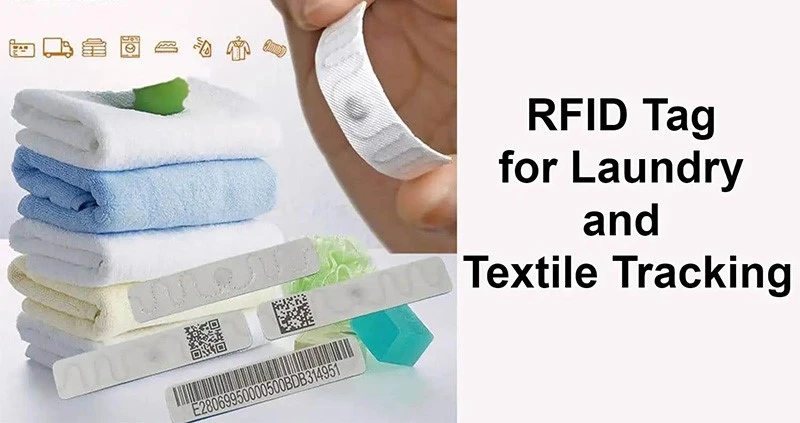
RFID in textile applications offers benefits like improved efficiency, reduced errors, and enhanced customer experiences. It allows for real-time tracking and monitoring of textile products and helps businesses make informed decisions based on accurate data.