
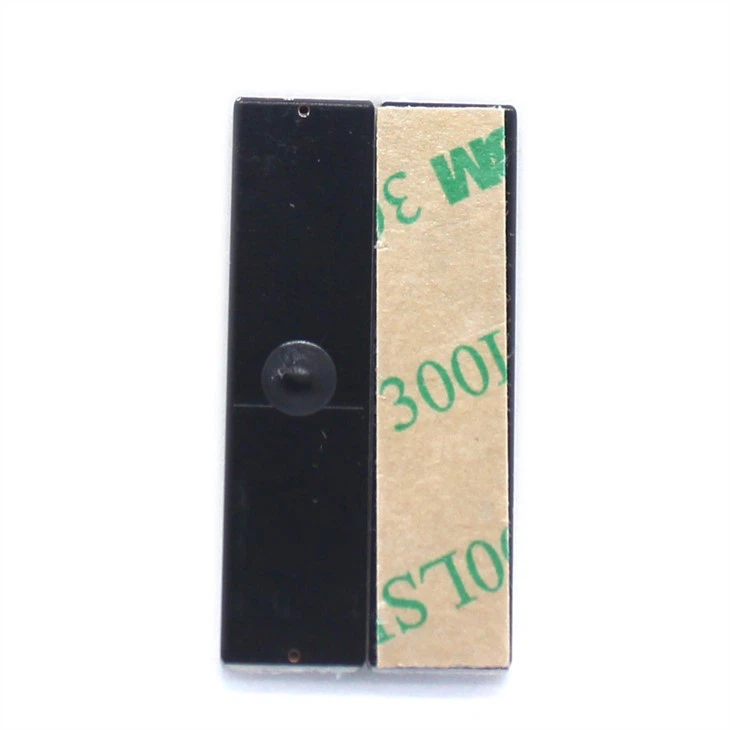


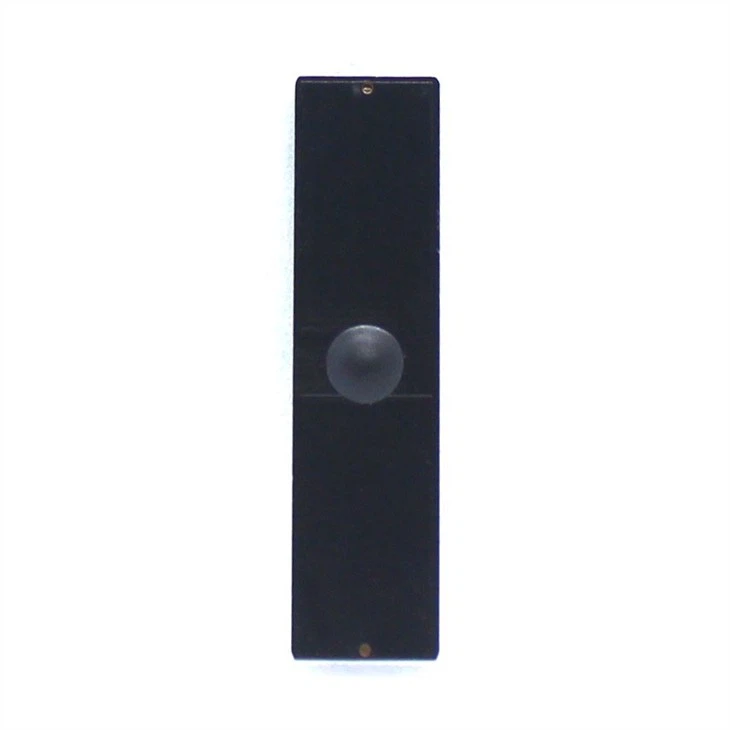
UHF RFID Anti Metal Tag
Product Parameter:
Physical Features: | ||
Model | ASPC40X10 | |
Material | PCB | |
Dimension | 40*10*2.5mm | |
Weight | 4g | |
Working Temperature | -40~ +100℃ | |
Storage Temperature | -40~+ 150℃ | |
RFID Features | ||
RFID Protocol | ISO/IEC 18000-6 Type C (EPC Gen2) | |
Frequency | 902-928MHz , 865~868MHz | |
Chip | M4QT | |
EPC | 128 bits | |
USER | 512 bit | |
TID | 96 bits | |
Reading Rang | 150-300 cm | |
Other Features | ||
Data Retention | >10 years | |
Write Cycles | 100,000 times | |
Installation | Stick/screw/magnet to fix on metal | |
Customization | EPC program | |
Packing | 800pcs/box | |
Application | Fixed asset management | |

What can be stored in an UHF RFID Anti Metal tag?
UHF (Ultra High Frequency) RFID anti-metal tags primarily serve the purpose of providing unique identification and tracking capabilities, and they typically do not have large storage capacity for extensive data. These tags are commonly used to store a unique identification number or code that corresponds to a specific item or asset. The primary data stored in UHF RFID anti-metal tags includes:
EPC (Electronic Product Code): UHF RFID tags often store the EPC, which is a standardized identification number assigned to each tagged item. The EPC is a critical element in supply chain and inventory management, helping to uniquely identify and track products.
TID (Tag Identifier): The TID is a unique identifier assigned to the RFID tag itself, which can be useful for managing and authenticating individual tags within an RFID system.
User Data: While UHF RFID tags typically have limited user data storage, some models allow for the inclusion of additional information. This user data may include product specifications, maintenance records, and other relevant details about the item being tagged.
Access Control Information: In applications where UHF anti-metal tags are used for access control or security purposes, the tag may store access credentials, access rights, or authentication data.
Link to a Database: UHF RFID tags often act as a reference or key to link to a centralized database or software system where more extensive information about the tagged item is stored. This database can include additional details such as product descriptions, history, and maintenance records.
Location or Timestamp Data: Some UHF tags may store information related to the location or timestamp of read events. This data can help track the movement and history of the tagged item.
Custom Data: In specialized applications, custom data may be stored in the UHF RFID tag to meet specific requirements. This could include information specific to the industry or use case, such as part numbers or serial numbers.
Hot Tags: uhf rfid anti metal tag, China uhf rfid anti metal tag suppliers, factory, RFID Library Shelf Tag, RFID Tag Equipment Tracking, RFID Chips Casino, RFID Valve Tag, Long Reading Range UHF Metal Tag, long distance metal tag
Send Inquiry
